
The vaping market in 2026 offers seven core device categories, each engineered for distinct user needs: disposables for convenience, pod systems for portability, vape pens for simplicity, box mods for power users, mechanical mods for enthusiasts, squonk mods for flavor chasers, and all-in-one devices for balanced performance. Understanding these types matters because choosing the wrong device can mean frustration with battery life, vapor production, or maintenance complexity. If you’re trying to start beginner vaping knowing the taxonomy upfront saves both money and disappointment.
The differences go beyond aesthetics. Pod systems dominate global markets because they balance size and performance, often featuring mesh coils and USB-C charging in a pocket-friendly format. Box mods, by contrast, deliver variable wattage and temperature control for users who want granular adjustments. Disposables require zero setup but generate waste, while refillable pods cut long-term costs and environmental impact. This guide breaks down how each category works, who it suits best, and the trade-offs you’ll face, giving you the framework to match a device to your actual vaping style rather than guessing at a shop counter.
How We Identified These Vape Categories
The vape categories in this guide aren’t arbitrary marketing labels, they’re based on how devices actually function in daily use. We sorted vapes by four practical criteria: the device’s core mechanism (how you load nicotine), the experience level it demands, the nicotine delivery method it supports, and how much maintenance it requires from you. A closed prefilled pod, for instance, differs fundamentally from an open refillable system in all four dimensions, which is why they earn separate spots on this list.
This classification mirrors what you’ll find in vape shops worldwide and what actual users discuss when comparing devices. Rather than listing every variation or manufacturer-specific term, we focused on the distinctions that matter when you’re standing at a counter trying to decide which device to take home. Whether you’re in Manchester or Melbourne, these seven categories capture the real choices you’ll encounter, from zero-maintenance disposables to fully customizable box mods that let you fine-tune every variable.
1. Closed Prefilled Pod Systems, Simplicity for Beginners
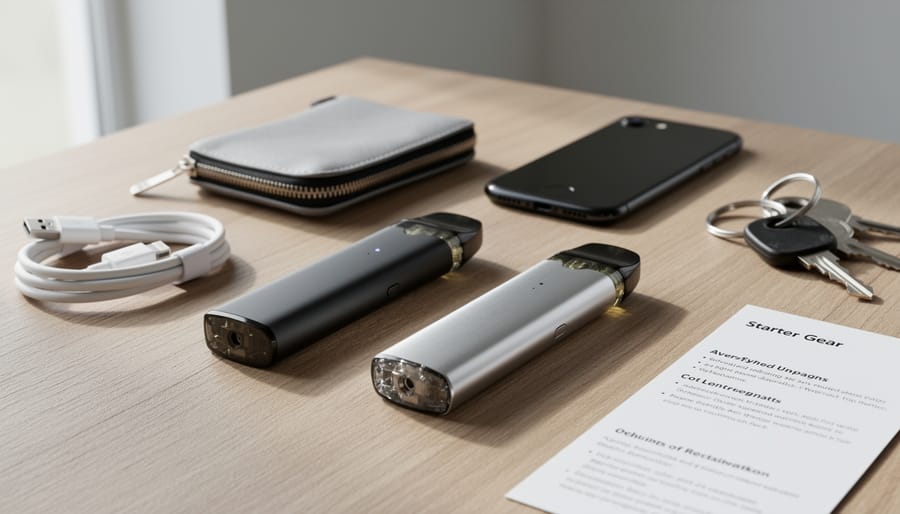
Closed prefilled pod systems represent the simplest entry point into vaping: they combine a rechargeable battery with pre-filled cartridges that snap in and get discarded when empty. There’s no measuring, pouring, or guessing about compatibility. You charge the battery, insert a fresh pod, and vape until the e-liquid runs out, then swap in a new cartridge. For a first-time vape user or anyone transitioning from cigarettes, this hands-off approach removes the technical barriers that can make other device types intimidating.
The core appeal lies in consistency and portability. Each prefilled pod contains a fixed amount of e-liquid, a built-in wick, and a heating coil sealed at the factory, so every draw delivers the same flavor profile and vapor output from start to finish. Because the cartridge is a self-contained unit, there’s no risk of leaking e-liquid in your pocket or bag. These systems are also compact, often credit-card thin or smaller, making them ideal for discreet carry and quick use throughout the day.
- No refilling or measuring e-liquid
- Consistent performance from first puff to last
- Ultra-portable with minimal leakage risk
- Optimized for high-nicotine salt formulations
Most closed pod systems ship with nicotine-salt e-liquids in the 20-50 mg/ml range, delivering efficient nicotine satisfaction in compact vapor clouds. That higher concentration mimics the throat hit of cigarettes without requiring large, lung-filling inhales, which suits smokers seeking a familiar sensation.
The trade-offs center on variety and long-term economics. You’re locked into the flavors and nicotine strengths the manufacturer offers, and replacing prefilled pods repeatedly costs more over months than buying bottled e-liquid for refillable systems. If you value zero maintenance above all else, that premium is worthwhile. If you want to experiment with different flavors or reduce ongoing expenses, an open refillable pod becomes a better fit after the initial learning phase.
2. Open Refillable Pod Systems, Flexibility Meets Convenience
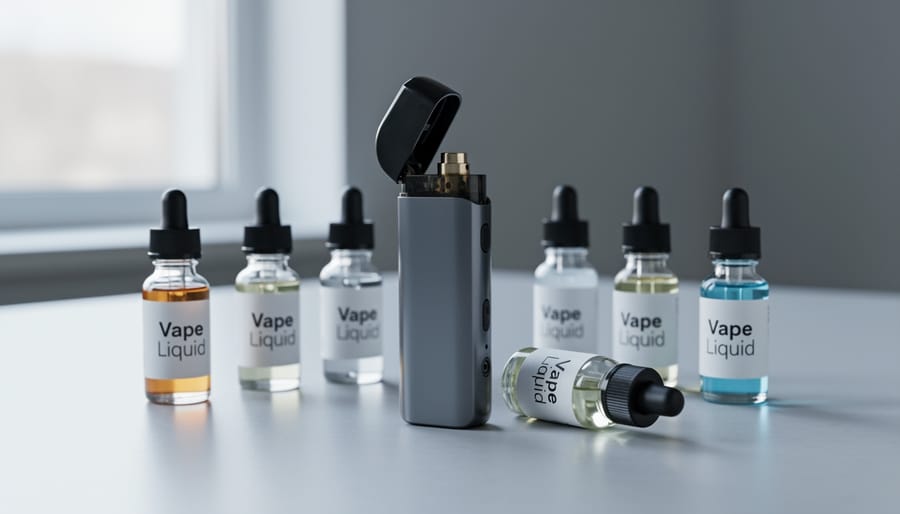
Open refillable pod systems strike the sweet spot between simplicity and personal choice, letting you pour in any bottled e-liquid you like while keeping the compact, user-friendly form factor that made pods popular in the first place. Unlike their closed prefilled cousins, open pods give you access to the entire spectrum of e-liquid flavors, nicotine strengths, and formulations available on the market, no waiting for your favorite brand to release a compatible cartridge.
The refillable cartridge holds the e-liquid, wick material, and heating coil in a single replaceable unit. When you run low, you simply pop off a silicone plug or slide open a fill port, drip in your chosen e-liquid, and snap it closed. Most pods hold between 2ml and 4ml, giving you a day or more of vaping depending on how heavily you use it. Once the flavor starts to fade or you notice a burnt taste, typically after a week or two, you swap the entire pod for a fresh one.
Modern open refillable systems lean heavily on mesh coils rather than traditional round wire, spreading the heating surface across a broader area to vaporize e-liquid more evenly. The result is noticeably better flavor clarity and slightly denser vapor without cranking up the power. You’ll find most current models equipped with USB-C charging ports for faster, more convenient recharging, often hitting full capacity in under an hour.
Draw activation remains common, inhale to fire, no button required, but many open pods now include a manual fire button as well, giving you the option to preheat the coil or take a firmer pull when you want it. Adjustable airflow dials let you fine-tune the draw resistance, tightening it for a cigarette-like mouth-to-lung experience or opening it up for a looser, airier pull.
This type suits vapers who want open pod basics with room to experiment, people transitioning from smoking who appreciate simplicity but also want to explore different flavors and nicotine levels without buying a new device each time. If you value choice but don’t need the complexity of a box mod, an open refillable pod system delivers both.
3. High-Capacity Device-and-Pod Setups, Power User Territory
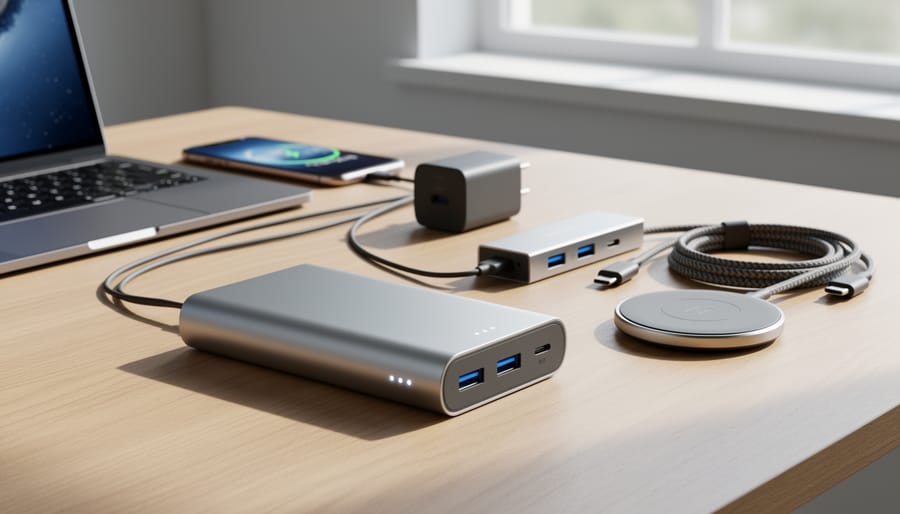
High-capacity device-and-pod setups represent the power user’s answer to all-day vaping without constant attention to battery levels or e-liquid reserves. These systems push the boundaries of what pod-based designs can deliver, combining larger batteries, often 1500mAh or higher, with pods that hold substantially more liquid than standard options. Where a typical pod might carry 2ml, high-capacity versions can hold 4ml to 6ml or more, translating to a full day or longer between refills for most vapers.
The battery capacity matters most for heavy users. A larger cell means you can vape through an entire workday, commute, and evening without hunting for a charger. Most of these setups charge via USB-C ports for faster top-ups when you do need them, and battery lights provide a clear read on remaining power so you’re never caught off guard.
E-liquid capacity follows the same logic. Refilling twice a day becomes once every two or three days, which suits anyone who vapes frequently or simply dislikes interruptions. The removable cartridge still holds the e-liquid, wick material, and heating coil, often a mesh coil that delivers consistent flavor across the pod’s lifespan, but the scale is larger.
Adjustable airflow dials let you fine-tune the draw from tight mouth-to-lung to a more open direct-lung style, accommodating different preferences without switching devices. Safety chips monitor voltage, temperature, and short-circuit risks, adding a layer of protection that matters more when batteries and usage intensity climb.
These systems appeal to vapers who’ve graduated from entry-level pods and want reliability without stepping into mod territory. You maintain the simplicity of a pod setup but gain the endurance that matches a heavier vaping routine.
4. Pod Systems with Replaceable Coils, Extended Lifespan
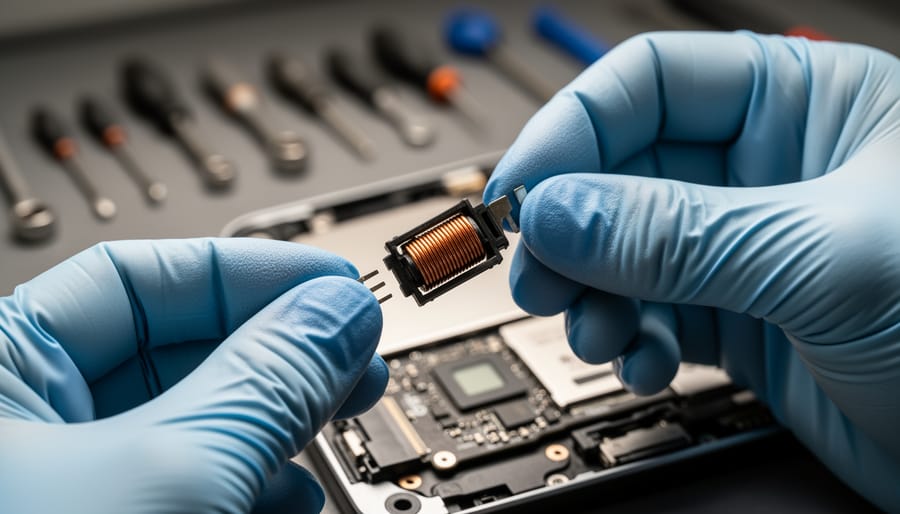
Pod systems with replaceable coils offer a middle ground between the simplicity of all-in-one pods and the flexibility of refillable devices. Instead of discarding the entire cartridge when performance declines, you unscrew the old coil from the pod and install a fresh one while keeping the same pod body. This design extends the useful life of each cartridge significantly, since the pod itself rarely wears out while the coil typically needs replacement every one to two weeks depending on usage.
The cost savings add up quickly. A five-pack of replacement coils often costs less than buying five complete disposable pods, and the pod body can serve you for months before needing replacement. You’re essentially paying only for the component that actually degrades, the heating element and wick, rather than replacing the entire liquid reservoir each time. For moderate to heavy vapers, this can mean noticeable savings within the first month of switching to a replaceable-coil system.
Knowing when to change a coil becomes intuitive with experience. Watch for these telltale signs:
- Burnt taste that persists even after refilling
- Muted flavor that no longer delivers the sharpness you expect
- Leaking from the airflow or mouthpiece
- Reduced vapor production compared to when the coil was fresh
Compatibility deserves attention before you stock up on coils. Most manufacturers design coils to work only with their specific pod models, so check the product name and model number carefully. Some brands offer multiple coil resistances for the same pod, letting you choose between tighter or airier draws, but mixing coils across different product lines rarely works even within the same brand.
The learning curve is gentle but real. You’ll need to prime new coils by saturating the cotton wick with e-liquid before first use, a step that takes about five minutes. Threading coils requires a firm but careful hand to avoid cross-threading or over-tightening. Compared to truly all-in-one pods where you simply click in a fresh cartridge, replaceable-coil systems demand a few extra minutes of attention, but the payoff in longevity and savings makes that trade worthwhile for most vapers.
5. Disposable Vapes, Ultra-Portable, Zero Maintenance
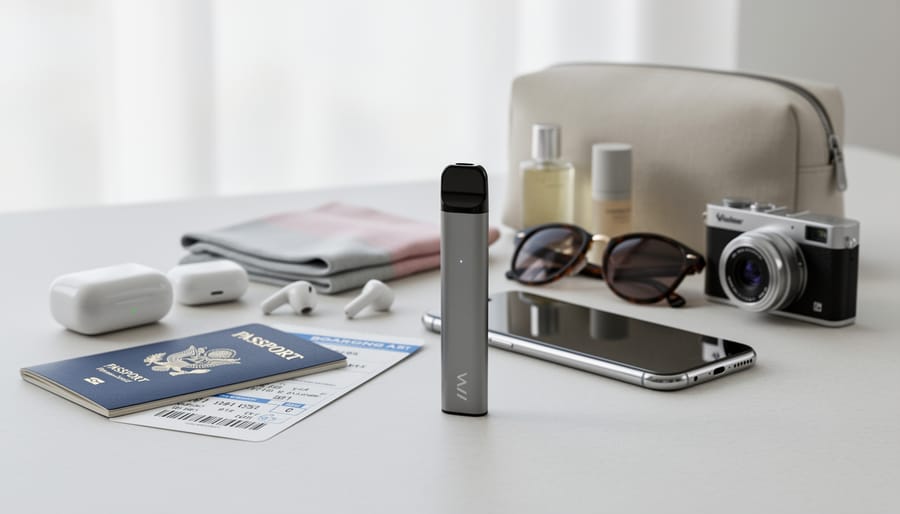
Disposable vapes are the grab-and-go option: a self-contained device that arrives charged, prefilled with e-liquid, and ready to use straight out of the package. When the battery dies or the liquid runs out, whichever comes first, you toss the entire unit. There’s no charging cable, no refilling, no coil changes. That simplicity makes disposables a natural choice for travel (no leaking bottles in your luggage), nights out where you don’t want to carry your main device, or anyone curious about vaping who isn’t ready to invest in rechargeable hardware.
Most disposables today deliver between 600 and 5,000 puffs, depending on battery and reservoir size. Compact models slip into a pocket or clutch, while higher-capacity versions are roughly the size of a highlighter. Flavour variety is wide, fruit blends, menthol, dessert notes, and nicotine strengths typically range from 20 mg/ml salt nicotine down to zero, though availability varies by market.
The trade-off is economics and waste. Buying disposables regularly costs significantly more per puff than refilling a pod system with bottled liquid. Environmentally, each unit contains a lithium battery and plastic housing that ends up in landfill, raising sustainability concerns the industry and regulators are increasingly scrutinising. Despite these drawbacks, disposables remain hugely popular because they eliminate every barrier to entry: no learning curve, no maintenance routine, no upfront research. For someone testing whether vaping suits them, or a traveller who needs a hassle-free backup, that convenience often outweighs the downsides.
6. Vape Pens, Classic Mid-Range Devices
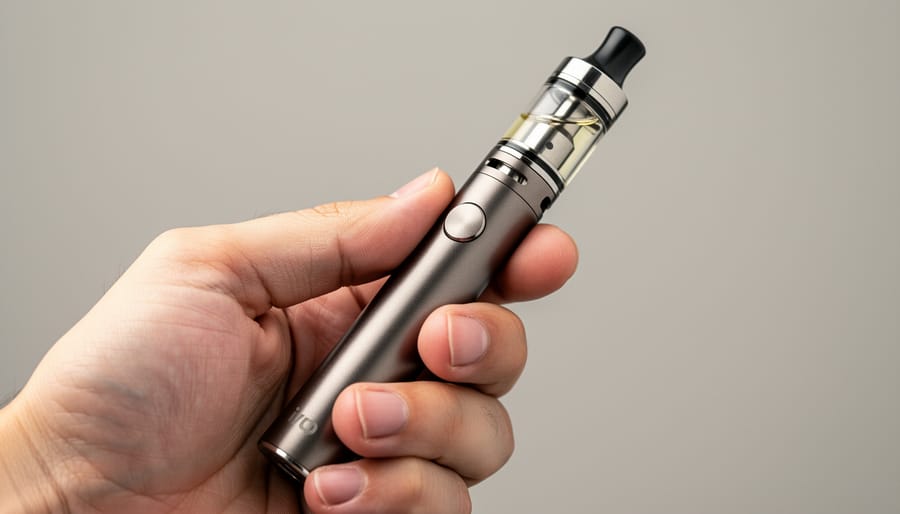
Vape pens occupy the middle ground between simple pod systems and complex box mods, making them a natural step up for vapers who’ve outgrown disposables but aren’t ready to dive into advanced setups. These cylindrical devices earned their name from their pen-like shape, slim, portable, and easy to carry in a pocket or bag. Unlike pod systems that rely on pre-designed cartridges, most vape pens feature refillable tanks that screw onto a battery, giving you direct control over your e-liquid choice and coil selection.
The typical vape pen includes a manual fire button, letting you control when the device heats your coil, and many models offer variable voltage settings so you can adjust power output to fine-tune vapor warmth and density. This level of customization appeals to intermediate vapers who want more vapor production than a pod system delivers but don’t need the full wattage range of a box mod. Tanks hold anywhere from 2ml to 4ml of e-liquid, and coils are user-replaceable, meaning you maintain the device rather than tossing whole pods.
Compared to pod systems, vape pens deliver warmer vapor and larger clouds, though they sacrifice some portability, they’re bulkier and usually require you to carry a separate bottle of e-liquid for refills. They also demand a bit more know-how: you’ll need to prime coils, manage wattage settings, and occasionally clean threading. But for vapers seeking a middle path between convenience and performance, vape pens remain a reliable choice that’s been a staple of the global vaping community for years.
7. Box Mods and Advanced Systems, Full Customization
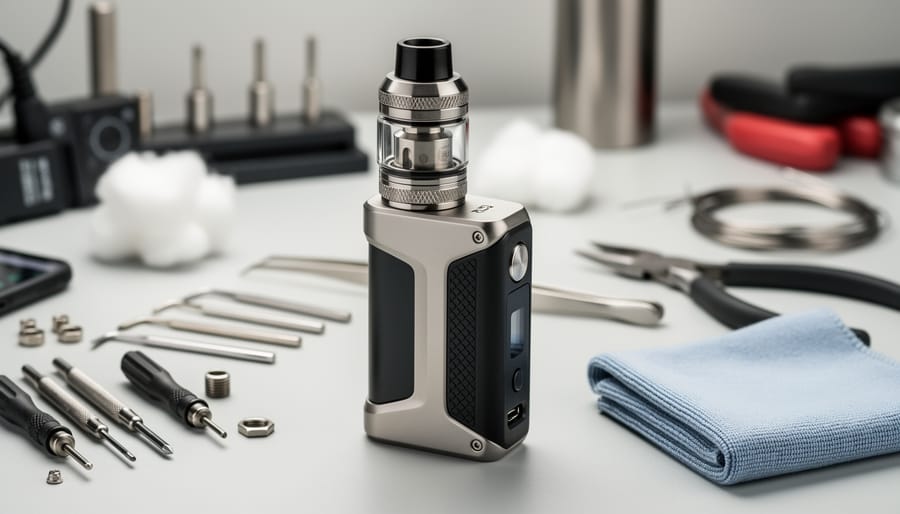
Box mods and advanced vaping systems represent the deep end of customization, where hobbyists and cloud chasers gain near-total control over their vaping experience. These devices, recognizable by their boxy, substantial housings and external controls, allow you to dial in wattage from single digits to well over 200W, adjust temperature curves for precise heating, and swap between different tanks to chase specific flavor or vapor profiles. Unlike pod systems and pens, box mods expect you to understand Ohm’s law, battery safety, and coil performance because you’ll be building or selecting coils, managing dual batteries in most cases, and making configuration choices that directly affect both output and safety.
Who benefits most? Cloud competition participants who need maximum vapor production, enthusiasts who enjoy tinkering with builds and settings, and experienced vapers seeking a device that evolves with their skills. The learning curve is real: you’ll need to research battery compatibility, understand the relationship between resistance and power, and follow proper charging protocols. Many box mods feature digital displays showing real-time resistance, voltage, and temperature readouts, giving you feedback to refine each session.
Safety considerations are paramount. Use only high-drain batteries from reputable manufacturers, never exceed amp limits, and inspect wraps for damage before inserting cells. Modern box mods include protections against short circuits, overheating, and over-discharge, but ultimate responsibility rests with the user. The upside? A global enthusiast community shares builds, troubleshooting tips, and innovations online, making the journey collaborative. If you’re committed to mastering the mechanics and relish full creative control, advanced systems reward that investment with unmatched performance and customization depth.
Understanding Modern Vape Features Across Types
Regardless of which vape type you choose, several key features have become standard across the market and shape your daily experience. Most modern pod systems and vape pens now incorporate mesh coils instead of traditional round-wire coils. Mesh coils heat e-liquid more evenly across a larger surface area, delivering richer flavor and more consistent vapor production throughout the coil’s lifespan.
USB-C charging has replaced older micro-USB ports in the majority of devices released recently, cutting recharge times significantly and offering the convenience of using the same cable as your phone or tablet. Battery indicators, whether LED lights or small screens, eliminate guesswork about remaining charge, while integrated safety chips protect against short circuits, overheating, and overcharging.
Activation methods vary by design philosophy. Draw activation lets you inhale to fire the device automatically, mimicking the feel of smoking a cigarette. A manual fire button offers precise control over when vapor is produced and can prevent accidental activation in your pocket. Many current devices include both options, letting you choose which suits your preference.
Adjustable airflow dials or sliders let you customize draw resistance, tightening it for a cigarette-like mouth-to-lung experience or opening it for looser, cloud-focused inhales. Understanding how heating technology works at the coil level matters too; if you’re curious about the technical differences in cartridge heating, comparisons like GCELL vs CCELL highlight how materials and design impact vapor quality. Familiarizing yourself with these features helps you evaluate devices across categories and find the setup that matches your vaping style.
Frequently Asked Questions
Choosing the right vape device often raises practical questions, especially for those new to vaping or considering a switch from smoking. Here are answers to the most common queries about vape types and how to select the right one for your needs.
Which type of vape is best for quitting smoking?
Closed prefilled pod systems or open refillable pod systems work best for most smokers transitioning away from cigarettes because they mimic the hand-to-mouth routine, deliver satisfying nicotine quickly, and require minimal learning curve. Start with a device that offers draw activation and higher nicotine strengths (20mg or above in most regions) to match the immediate satisfaction cigarettes provided.
What’s the difference between open and closed pod systems?
Closed pod systems arrive prefilled with e-liquid and you replace the entire cartridge when empty, offering maximum convenience but less flavor variety. Open refillable pod systems take bottled e-liquid, giving you unlimited flavor choices and lower long-term costs, though they require occasional refilling.
How do I know which nicotine strength to choose?
Heavy smokers (a pack or more daily) typically start with 18-20mg nicotine salt formulations, while light to moderate smokers often find 12mg comfortable. If you experience harshness or dizziness, step down; if cravings persist, step up.
How often do pods or coils need replacing?
Prefilled closed pods last until empty (typically 1-3 days depending on usage), while open refillable pods generally need replacing every 1-2 weeks or when flavor diminishes. Pod systems with replaceable coils extend cartridge life, requiring coil changes every 1-2 weeks but allowing you to keep the pod itself longer.
You can absolutely switch between vape types as your preferences evolve. Many vapers keep a simple closed pod system for travel or backup while using a higher-capacity device or vape pen as their daily driver. The beauty of understanding these categories is recognizing that no single type serves every situation, and your needs today might differ from what works best six months from now as you gain experience.
From simple closed pods that ask nothing of you to box mods that put every variable in your hands, the vaping landscape offers something for everyone. There’s no single “best” type, only the device that matches where you are right now. If you value grab-and-go simplicity, closed prefilled pods or disposables deliver. If you’re chasing flavor and want to experiment with different e-liquids, open refillable systems give you that freedom. Heavy users might lean toward high-capacity setups that last all day, while hobbyists often gravitate to advanced mods with full wattage and temperature control.
The industry hasn’t stopped evolving. Mesh coils, USB-C charging, adjustable airflow, and smarter safety chips are becoming standard across price points, bringing features that once belonged to premium devices within reach of first-time buyers. Whether you’re taking your first step away from smoking or refining a setup you’ve used for years, you’re part of a global community that values choice, performance, and the ongoing push to make vaping better. Trust your priorities, ask questions, and know that whichever type you choose, it’s a valid part of your journey.