
The federal government is pulling the plug on hemp-derived cannabis vapes in November 2026, giving consumers and retailers just months to prepare for a nationwide ban that will reshape the THC vaping market. This isn’t another gradual regulatory shift. It’s a hard deadline that affects millions of users who’ve relied on products from companies like https://www.exhalewell.com/ and countless other retailers who built their businesses on what seemed like a legal loophole.
Hemp-derived cannabis products, specifically those containing delta-8 THC, delta-10 THC, and other semi-synthetic cannabinoids extracted from legal hemp, exploded in popularity after the 2018 Farm Bill opened the door to hemp commerce. These vapes offered THC experiences in states where traditional marijuana remained illegal, creating a multi-billion dollar industry almost overnight. Now that industry faces an existential threat.
The regulatory hammer comes from the Drug Enforcement Administration, which argues that chemically converting CBD from hemp into intoxicating THC compounds violates the Controlled Substances Act, regardless of the source material. Federal agencies have grown increasingly uncomfortable with the hemp-derived THC market, particularly as emergency room visits and product safety concerns mounted. State regulators have sent mixed signals over the past few years, with some banning these products outright while others embraced them as legitimate business.
For anyone who vapes hemp-derived THC products, stocks them on shelves, or manufactures them, understanding what this ban means and how global markets are responding matters right now. The clock is ticking, and the landscape is changing faster than most predicted.
The November 12, 2026 Deadline: What’s Actually Changing
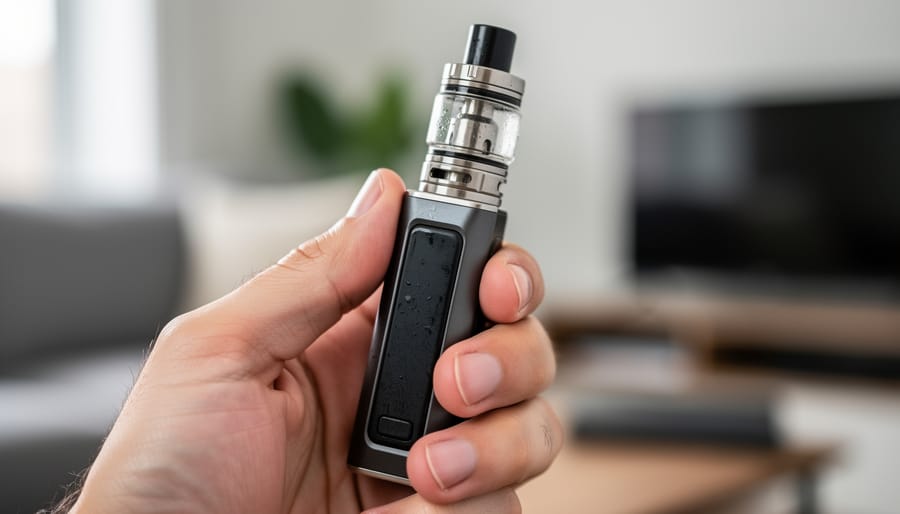
The federal government just rewrote the rules for hemp-derived THC products, and time is running out. When President Trump signed the latest spending bill in early 2026, it included a provision that will fundamentally reshape what qualifies as legal hemp. The clock started ticking immediately, and come November 12, 2026, thousands of products currently sitting on dispensary and smoke shop shelves will become federally illegal overnight.
Here’s what actually changed. The law introduces a 0.4 mg per container cap on total tetrahydrocannabinols for any finished hemp product. Not per serving, per container. That means an entire package can’t contain more than 0.4 milligrams of THC in total. For context, a single hit from most hemp-derived THC vapes contains far more than that, often delivering several milligrams per puff. A typical cartridge might hold anywhere from 50 to several hundred milligrams of delta-8 THC or similar cannabinoids. Under this new standard, those products don’t just become regulated differently, they stop qualifying as hemp entirely.
The 2018 Farm Bill drew a bright line between hemp and marijuana based on delta-9 THC concentration, using a 0.3 percent dry weight threshold. That framework unintentionally created space for manufacturers to produce psychoactive hemp cannabinoids like delta-8 THC, HHC, and THCO, all technically legal because they either converted from CBD or came from hemp plants meeting that original definition. The spending bill doesn’t abandon the 0.3 percent threshold entirely. Instead, it adds a second layer: total THC content in the finished consumer product. That addition closes the loophole by capping the absolute amount rather than just the concentration.
What does this mean in practice? A product could be made entirely from compliant hemp under the 2018 definition, but if the finished vape cartridge, edible, or tincture exceeds that 0.4 milligram limit, it no longer qualifies as hemp under federal law. It becomes a controlled substance, subject to the same restrictions as marijuana-derived cannabis. For hemp-derived cannabis vapes, which are specifically designed to deliver psychoactive effects, compliance is effectively impossible. You can’t create a product that gets users high while staying under a sub-milligram cap. This isn’t a tighter regulation, it’s an elimination.
The November deadline gives the industry and consumers roughly eight months from the bill’s signing to adjust. That window matters because as of today, all hemp-derived THC products remain legal under the 2018 framework. But after November 12, possession, sale, and distribution of non-compliant products shift into the same legal territory as marijuana in states where cannabis remains prohibited. No grace period extends beyond that date, and no grandfather clause protects existing inventory.
Understanding Hemp-Derived Cannabis Products: What’s at Stake
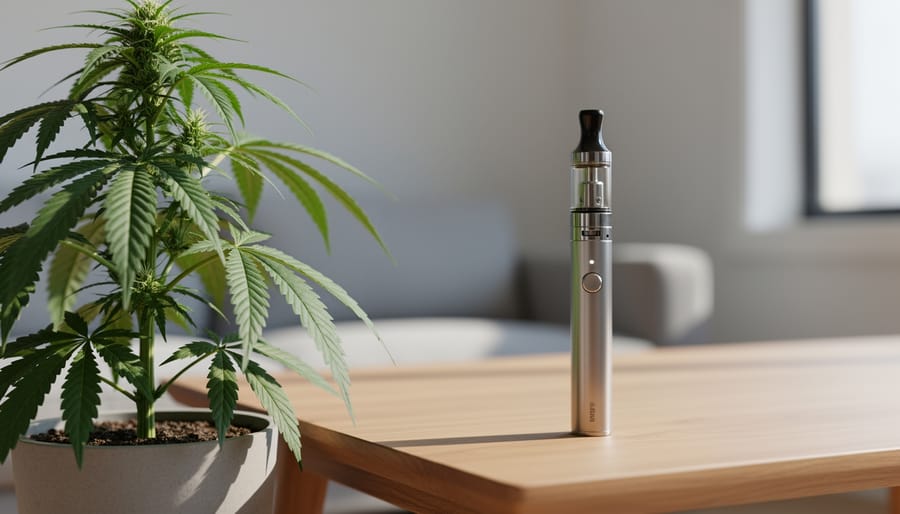
Hemp-derived cannabis vapes occupy a unique space in the vaping market, born from a legal gray area that many didn’t see coming. These products contain cannabinoids extracted from hemp plants that were federally legalized under the 2018 Farm Bill, but they deliver psychoactive effects similar to traditional marijuana products.
The key difference comes down to the source plant. Marijuana and hemp are both cannabis, but the 2018 Farm Bill drew a legal line at 0.3% delta-9 THC by dry weight. Hemp falls below that threshold, marijuana exceeds it. That seemingly simple distinction opened a loophole: manufacturers discovered they could extract or convert other cannabinoids from legal hemp that still get you high, just not the specific delta-9 THC molecule that defines marijuana.
Delta-8 THC became the breakout star. It occurs naturally in hemp in trace amounts, but chemists can convert abundant CBD into delta-8 through a chemical process. The result produces a milder high than delta-9 THC, users typically report less anxiety and paranoia, making it attractive to people who find traditional marijuana too intense. Delta-10 THC followed a similar path, offering yet another variation on the THC experience.
Beyond the deltas, the market exploded with novel cannabinoids. HHC, or hexahydrocannabinol, is a hydrogenated form of THC that some manufacturers claimed might not show up on standard drug tests. THCO, or THC-O-acetate, was marketed as significantly more potent than delta-9. THCP, HHCP, and a rotating cast of acronyms appeared on vape cartridges and disposables, each promising a unique effect profile while technically remaining hemp-derived.
These products found a massive audience for practical reasons. In states where marijuana remained illegal, hemp-derived vapes offered legal access to psychoactive cannabis. They showed up in gas stations, smoke shops, and online retailers without the restrictions that govern marijuana dispensaries. No medical card required, no state cannabis program to navigate, often no age verification beyond what any tobacco product requires.
The pricing worked in consumers’ favor too. Without marijuana’s heavy taxation and licensing costs, hemp-derived vapes typically sold for less. A delta-8 disposable might run twenty to thirty dollars compared to forty or fifty for an equivalent marijuana cartridge in a legal state.
Quality and consistency became the trade-off. The hemp-derived market operates with minimal oversight. Testing standards vary wildly, and products sometimes contain unexpected compounds left over from chemical conversion processes. That Wild West dynamic is precisely what regulators now aim to end, putting this entire category at risk come November.
The Regulatory Journey: From Farm Bill to Ban
The FDA’s Stance on Hemp Cannabinoids
The FDA has been wrestling with hemp cannabinoids since well before the current ban took shape. In January 2023, the agency issued a clear statement that existing regulatory frameworks for foods and supplements simply don’t work for cannabidiol and other hemp-derived compounds. That admission marked a turning point, the FDA on CBD regulation limits essentially acknowledging it lacked the tools to properly oversee these products under current law.
The agency’s concerns center on safety data and dosing consistency. Unlike traditional supplements with decades of use history, hemp cannabinoids entered the consumer market rapidly after the 2018 Farm Bill, with limited clinical research backing their safety profiles. Regulators particularly worry about psychoactive effects, interactions with medications, and long-term health impacts that haven’t been studied in rigorous trials. The FDA has repeatedly stated it needs Congressional action to create an appropriate regulatory pathway, one that balances access with consumer protection.
That collaboration with lawmakers has been unfolding behind the scenes, ultimately contributing to the November 2026 ban. Rather than continue allowing products they couldn’t adequately regulate, federal officials pushed for stricter controls. The FDA’s position has consistently been that hemp cannabinoids deserve dedicated oversight, not a regulatory workaround through food or supplement channels that were never designed for psychoactive compounds.
Enforcement Actions Leading Up to the Ban
The regulatory pressure on hemp-derived cannabis products built steadily throughout 2023 and 2024, creating the environment that made November’s ban politically feasible. In January 2023, the FDA issued a critical statement declaring that existing regulatory frameworks for foods and supplements simply weren’t appropriate for cannabidiol products, signaling that federal authorities recognized the legal gray area created by the 2018 Farm Bill needed resolution. The agency explicitly stated it would work with Congress on a new regulatory pathway, foreshadowing the legislative action we’re now seeing.
The enforcement tempo increased dramatically when the FDA and FTC July 2024 joint effort targeted companies selling copycat delta-8 THC food products that mimicked popular brands of snacks and candy. This coordinated crackdown focused on protecting consumers from deceptive marketing practices, particularly products that could appeal to children or mislead buyers about potency and safety. The joint effort demonstrated that federal agencies viewed the hemp-derived cannabinoid market as insufficiently regulated, a concern that paralleled broader discussions about flavored vape bans in various jurisdictions.
These enforcement actions created a public record of regulatory concerns that lawmakers could point to when drafting the November ban, effectively building the case that voluntary industry compliance wasn’t working and statutory limits were necessary.
What This Means for Vapers and the Industry

Consumer Considerations Before November
With just months until the November 12 deadline, you’re likely weighing whether to stock up, switch products, or explore something different. Here’s what matters most right now.
First, understand that quality varies wildly in the hemp-derived cannabis market. Not all products were created equal, and rushing to buy bulk inventory from unfamiliar brands is risky. Stick with manufacturers who provide third-party lab testing, clear cannabinoid profiles, and transparent sourcing information. If you can’t verify what’s actually in a product, it’s not worth your money or your health, especially now.
Think beyond just stockpiling. This transition offers a chance to reassess your vaping habits and explore the full range of types of vapes available. If you’ve been exclusively using hemp-derived THC disposable vapes you might discover that nicotine-free herbal vapes or CBD alternatives better serve your needs without the psychoactive effects.
Consider your budget carefully. Prices may fluctuate as the deadline approaches, with some retailers potentially inflating costs while others discount inventory. Set a reasonable limit rather than overspending on products that will eventually run out anyway.
Finally, stay informed about your state’s laws. Some states had already banned or restricted hemp-derived THC products before this federal change, while others may create new frameworks post-ban. What’s legal federally doesn’t always align with state regulations, and enforcement varies significantly by location.
Industry Response and Adaptation
Industry veterans aren’t going quietly. Major hemp-derived cannabinoid manufacturers have begun coordinating legal challenges through trade associations, arguing the 0.4 milligram cap lacks scientific justification and contradicts the intent of the 2018 Farm Bill. Several lawsuits are expected before November, though constitutional law experts suggest the spending bill’s clear language makes overturning it unlikely.
Meanwhile, retailers are clearing inventory aggressively. Distributors report unprecedented bulk orders as shops stockpile products ahead of the deadline, though some chains are pulling hemp THC vapes now to avoid getting caught with unsellable inventory post-ban. Industry conferences have shifted focus toward compliant alternatives, with research chemists exploring minor cannabinoids like CBG and CBN that deliver therapeutic benefits without triggering the THC cap.
Innovation is happening within tight constraints. Several manufacturers are pivoting to ultra-low-dose formulations that stay under 0.4 milligrams while combining multiple non-intoxicating cannabinoids for entourage effects. Others are investing in traditional CBD product lines or exploring markets in states where marijuana-derived vapes remain legal. The irony isn’t lost on industry insiders: companies built on federal hemp legality now face the same compliance challenges as traditional cannabis operators, potentially driving consolidation as smaller players exit and larger firms absorb the regulatory burden. What emerges after November will look fundamentally different from the freewheeling hemp cannabinoid market of the past five years.
Global Perspective: How Other Markets Handle Hemp Cannabis
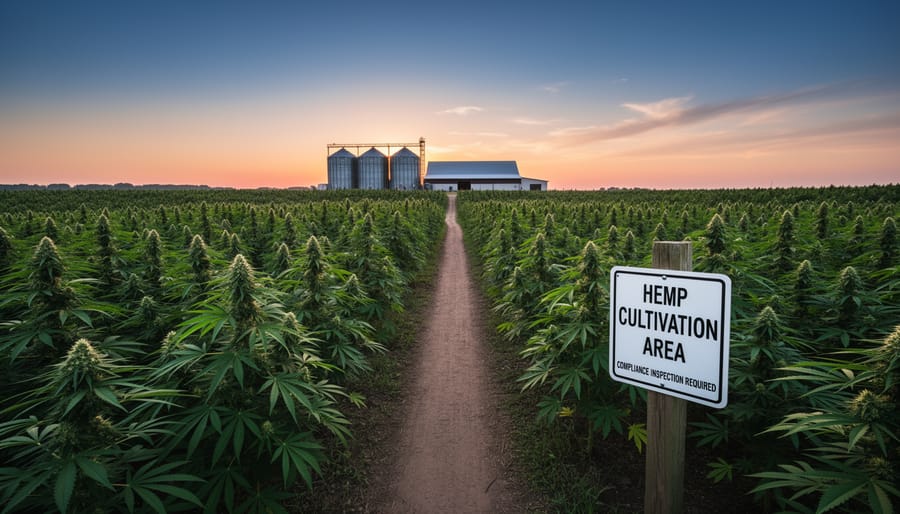
While the United States moves toward stricter hemp-derived cannabis restrictions, international markets reveal dramatically different regulatory philosophies that offer valuable lessons for understanding where vaping regulation intersects with cannabis policy.
The European Union maintains a conservative stance rooted in the Novel Food Regulation framework. Member states treat hemp-derived cannabinoids as novel foods requiring pre-market authorization, which effectively restricts most psychoactive hemp products from legal sale. The EU caps CBD products at 0.2% THC, lower than the U.S. threshold, and treats hemp-derived intoxicating cannabinoids like delta-8 THC similarly to controlled substances in most jurisdictions. This approach prioritizes consumer safety through rigorous scientific evaluation, though critics argue it stifles innovation and drives consumers toward unregulated markets.
Canada offers an entirely different model. After federal cannabis legalization in 2018, all cannabis products, regardless of THC source or concentration, fall under the same regulatory framework managed by Health Canada. There’s no separate “hemp-derived” category creating legal loopholes. Cannabis vape products undergo mandatory testing, potency labeling, childproof packaging requirements, and restricted marketing. This unified approach eliminates the regulatory gray zone that enabled hemp-derived psychoactive products to flourish in the U.S., but it also subjects all cannabis products to strict oversight and taxation.
| Region | Legal Status | THC Limit | Regulatory Approach |
|---|---|---|---|
| European Union | Restricted | 0.2% THC | Novel Food pre-market authorization |
| Canada | Regulated | No separate hemp category | Unified cannabis framework |
| United Kingdom | CBD legal, psychoactive banned | 0.2% THC (CBD); others controlled | Novel Food plus controlled substances |
| Japan | Highly restricted | Zero tolerance | Strict prohibition |
Asian markets generally maintain zero-tolerance policies. Japan permits hemp-derived CBD under extremely limited circumstances but bans all intoxicating cannabinoids regardless of source. Singapore and several other nations classify any psychoactive cannabis derivative as a controlled substance punishable by severe penalties. These strict approaches reflect broader cultural attitudes toward substance use and prioritize prohibition over harm reduction.
The United Kingdom follows EU patterns post-Brexit, requiring Novel Food authorization for CBD while treating delta-8 and similar compounds as controlled substances under the Psychoactive Substances Act. Australia recently moved toward medical cannabis access but maintains strict controls on recreational products, including hemp-derived alternatives.
The key lesson across markets: countries that created clear, unified cannabis frameworks avoided the regulatory confusion the U.S. now faces. Nations that attempted to distinguish hemp-derived products from marijuana-derived ones based solely on source rather than effect created enforcement challenges and consumer safety gaps. The November 2026 U.S. ban represents a belated recognition that THC’s source matters less than its concentration and psychoactive potential, aligning American policy more closely with international precedents that prioritize product safety over botanical origin.
The November 12, 2026 deadline isn’t just another regulatory footnote. It represents a fundamental shift in how the federal government views hemp-derived cannabinoids, affecting millions of vapers who’ve come to rely on these products as part of their wellness routine or recreational choices. Whether you’re a casual user who occasionally reaches for a delta-8 cart or a daily consumer managing specific needs, this change will reshape your options in ways we’re only beginning to understand.
What comes after the ban takes effect remains uncertain. Congress may develop new frameworks for cannabinoid regulation. State laws could diverge further from federal policy. The industry might innovate within the 0.4-milligram limit or pivot entirely to different product categories. We genuinely don’t know yet, and anyone claiming otherwise is speculating.
What we do know: the timeline is firm, the regulatory environment is shifting, and staying informed through reliable sources matters more than ever. This isn’t a moment for panic buying or abandoning ship, but rather for thoughtful evaluation of your options, understanding what’s changing, and making decisions that work for your specific situation.
The vaping and hemp communities have navigated regulatory challenges before, adapting and evolving with each new development. This transition will test that resilience again. Connect with your local retailers, follow credible industry news, and participate in conversations about what responsible regulation should look like. You’re not alone in this shift, and your voice contributes to shaping what comes next.